
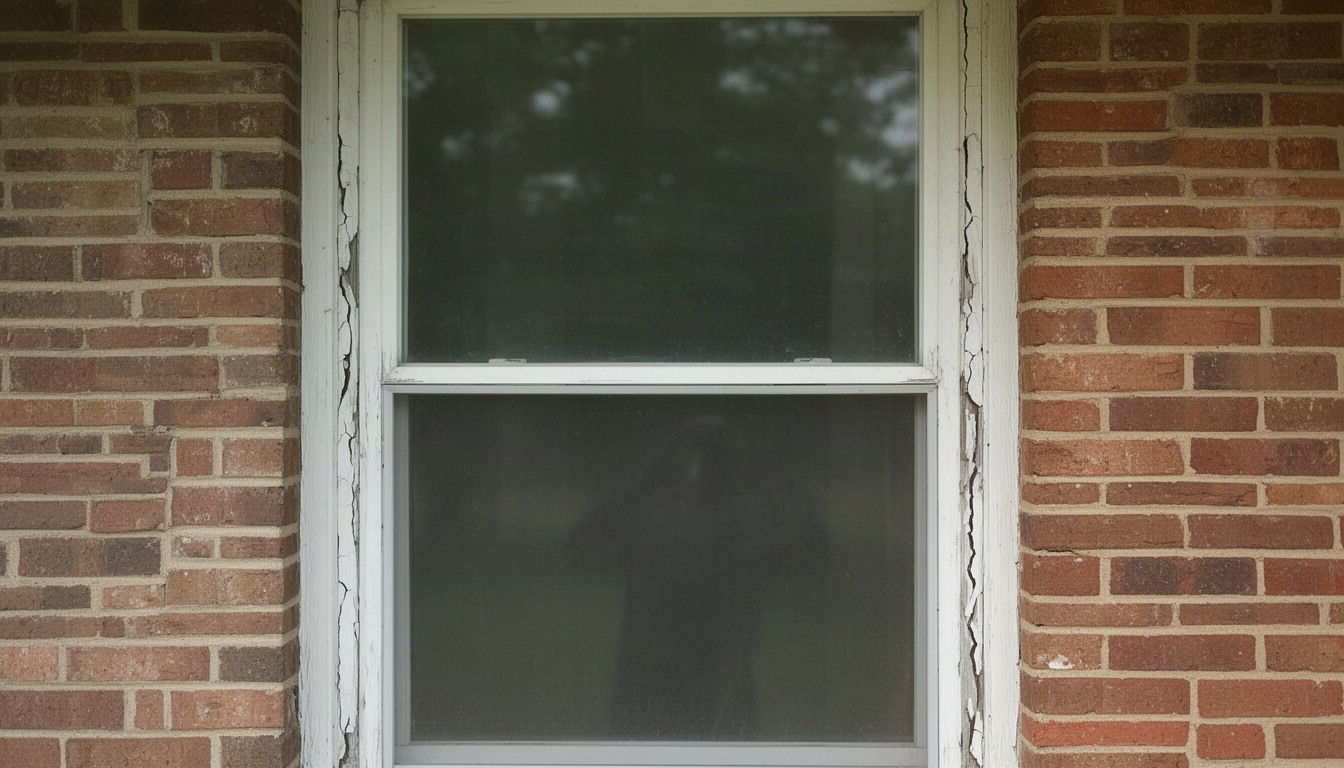
Why Are My Windows Drafty in Centralia? (2026)
Miller Builds · November 1, 2026
Why Are My Windows Drafty in Centralia, IL: Miller Builds serves Centralia and the surrounding area. Visit millerbuildsllc.com for a free quote.
TL;DR: Centralia's freeze-thaw cycles and humidity swings accelerate window seal failure, weatherstripping degradation, and caulk cracking - the three most common causes of drafts. If your windows are under 15 years old and the frame is intact, repairs ($15–$200) often work. Older windows or warped frames usually call for replacement ($350–$900 per window installed). Use the candle test to pinpoint where the draft originates before spending money.
Why Are Centralia Windows More Prone to Drafts?
Here in Centralia, we experience something that national SERP results completely miss: Marion County's climate is particularly hard on windows. (Energystar.gov) (Noaa.gov) Winter lows dip to around 18–22°F, and summer highs climb to 88–92°F - a roughly 70°F annual swing that forces window materials through repeated expansion and contraction cycles. That thermal stress accelerates seal failure, caulk cracking, and weatherstripping degradation far faster than in more temperate regions.
Standard double-pane windows are rated for a 15–20 year functional lifespan under typical conditions. But in Centralia's climate, with 20–35 freeze-thaw cycles per year (days when temperature crosses 32°F), that lifespan compresses. The repeated expansion and contraction of frames, the stress on glazing seals, and the breakdown of exterior caulk all happen sooner here than in milder climates.
The result? Many homeowners in our community notice drafts creeping in around year 12–15, not year 20. Understanding this local reality is the first step to deciding whether to repair or replace.
What Are the Most Common Causes of Drafty Windows?
Drafty windows in Centralia typically stem from one of five mechanical failures. Identifying which one is happening in your home determines whether a $10 fix or a $500+ replacement is the right move.
1. Failed Weatherstripping
Weatherstripping - the foam tape, rubber, or metal V-strip that seals the gap between the sash and frame - has an average lifespan of 5–10 years. In Centralia's freeze-thaw environment, foam tape often fails faster. When weatherstripping deteriorates, cold air flows directly into your home whenever the window is closed. You'll feel it as a consistent draft along the sash edges, especially on windy days.
2. Broken Insulating Glass Seal
Double-pane windows contain an insulating gas (usually argon) sealed between two panes. When that seal fails - typically after 15–20 years - moisture enters, fogging the glass. This is a distinct problem from air infiltration. Foggy glass reduces thermal performance but doesn't always cause a perceptible draft. However, a failed seal can eventually allow air to infiltrate at the frame perimeter.
3. Cracked or Missing Exterior Caulk
Caulk around the window frame's exterior is the primary barrier against water and air infiltration. Centralia's freeze-thaw cycles are particularly brutal on caulk. As temperatures swing, caulk expands and contracts; over 3–5 years, it cracks, pulls away, and fails. Once caulk fails, cold air leaks directly into the wall cavity and around the frame.
4. Warped or Settled Window Frames
Wood frames absorb moisture during humid summers, then shrink as they dry in winter. Over 20+ years, this cycling causes permanent warping. When a frame warps, the sash no longer seats tightly, and weatherstripping cannot fully seal the gap. This is a problem weatherstripping alone cannot fix.
5. Single-Pane Glass or Aging Double-Pane Units
Homes built before the 1980s often have single-pane windows. Single-pane glass offers almost no thermal resistance; you feel radiant cold from the glass surface itself, and air infiltration is common at the frame. Aging double-pane units (20+ years) may have both seal failure and frame deterioration.
Key Takeaway: Centralia's seasonal temperature swings - from 15°F winter lows to 90°F summer highs - expand and contract window frames faster than national averages, compressing the lifespan of seals, caulk, and weatherstripping by 3–5 years.
How Do You Tell Where the Draft Is Actually Coming From?
Before you spend a dime on repairs or replacement, locate the exact source of the draft. The candle or incense stick test is the most reliable low-cost diagnostic method.
Step-by-Step Candle Test:
- Choose a windy day (or create air pressure by opening a door on the opposite side of the house).
- Light a candle or incense stick and hold it 2–3 inches from the window frame, starting at the top corners.
- Watch for smoke or flame movement. If the flame flickers or smoke bends toward or away from the window, you've found an air leak.
- Move systematically around the entire frame: top, bottom, left side, right side, and around the sash corners.
What You're Looking For:
| Draft Location | Likely Cause | DIY Difficulty |
|---|---|---|
| Along sash edges (top/bottom) | Failed weatherstripping | Easy |
| Around frame perimeter (exterior) | Cracked caulk | Moderate |
| At glazing bead (where glass meets frame) | Broken seal or caulk failure | Moderate |
| At lock points or corners | Warped frame or failed weatherstripping | Hard |
| Entire frame feels cold | Radiant cold from glass (not air infiltration) | Hard |
Upgrade Option: A thermal leak detector (infrared thermometer, ~$20–$40) can pinpoint cold spots more precisely than the candle test. These tools show temperature differences across the frame, making it easier to distinguish between radiant cold and actual air infiltration.
Should You Fix Drafty Windows or Replace Them in Centralia?
This is the decision that separates a $50 repair from a $500+ investment. Here's the framework we use when homeowners in Centralia ask us this question.
Fix if:
- The window is under 15 years old
- The frame is solid (no visible rot, warping, or gaps)
- The draft is localized (one edge, not the entire frame)
- The repair cost is less than 30% of replacement cost
Replace if:
- The window is 20+ years old
- The frame is warped, rotted, or severely settled
- Multiple seals or weatherstripping have failed
- The repair cost exceeds 30% of replacement cost
- You want to improve energy efficiency and reduce heating/cooling bills
Cost Comparison:
| Repair Type | Cost Range | Lifespan |
|---|---|---|
| DIY weatherstripping (foam tape) | $8–$15 per window | 5–10 years |
| DIY rope caulk | $5–$10 per window | 1–2 seasons (temporary) |
| Professional exterior caulking | $100–$200 per window | 3–5 years |
| Interior window film kit | $15–$25 per window | 1 season |
| Professional window replacement (IL) | $350–$900 per window installed | 15–20 years |
The Energy Savings Math:
According to the U.S. Department of Energy, drafty windows can account for 10–25% of a home's heating and cooling energy loss. At an average Illinois winter heating bill, that represents a meaningful portion of seasonal heating costs wasted during the heating season. Over a winter (November–March), drafts can result in significant wasted energy.
If a window replacement costs $600 and saves you $100/year in energy costs, the payback period is 6 years. For homeowners planning to stay in their home longer than that, replacement often makes financial sense.
Quick DIY Fixes for Drafty Windows (Before Winter Hits)
If your windows are under 15 years old and the frame is solid, these five fixes can reduce drafts by 30–50% and cost under $100 total.
1. Clean the Frame and Sash Remove dirt, debris, and old caulk from the frame edges. A clean surface helps new weatherstripping and caulk adhere properly.
2. Apply Foam Tape Weatherstripping Measure the sash perimeter, purchase foam tape ($8–$15 per roll), and apply it to the sash where it contacts the frame. This is the easiest fix and works immediately.
3. Recaulk the Exterior Frame If exterior caulk is cracked or missing, apply fresh silicone or latex caulk around the frame perimeter. Important: Only apply caulk when outdoor temperatures are above 40–50°F. In Centralia, this means September–October or April–May. Winter application risks adhesion failure.
4. Use Interior Window Film Kits Shrink-film kits ($15–$25) create an insulating air pocket on the interior. They reduce both air infiltration and radiant cold from the glass. Remove them in spring.
5. Add a Draft Snake or Rolled Towel Place a draft blocker along the window sill to stop cold air from flowing across the floor. This is a temporary measure but costs almost nothing.
What DIY Cannot Fix:
- Broken insulating glass seals (fogging between panes)
- Warped or rotted frames
- Severely settled windows that no longer close properly
- Structural frame damage
FAQ: Drafty Windows in Centralia, IL
How much does it cost to fix drafty windows in Centralia, IL?
Direct Answer: DIY weatherstripping and caulk cost $15–$40 per window; professional caulking runs $100–$200 per window; full window replacement costs $350–$900 per window installed in Illinois.
The most affordable first step is foam tape weatherstripping ($8–$15), which you can apply yourself in under an hour per window. If the frame is intact but caulk is cracked, professional recaulking ($100–$200) is the next tier. Full replacement is the most expensive option but offers the longest lifespan (15–20 years) and the greatest energy savings. For homeowners in Centralia, we recommend getting a free quote from a local contractor to compare repair vs. replacement costs for your specific windows.
Can drafty windows be fixed without replacing them?
Direct Answer: Yes - weatherstripping, caulk, and interior film kits can reduce drafts by 30–50% without replacement, provided the frame is intact and the window is under 15 years old.
These fixes address the most common causes: failed weatherstripping, cracked caulk, and radiant cold from the glass. However, if the frame is warped, the glazing seal is broken, or the window is 20+ years old, repairs are temporary band-aids. In those cases, replacement is the more durable solution. The key is diagnosing the cause first using the candle test, then deciding whether a $50 fix or a $600 replacement makes sense for your situation.
Why do my windows feel drafty even when they are closed?
Direct Answer: Closed windows can feel drafty for two reasons: air infiltration (cold air leaking through gaps) or radiant cold (your body heat radiating toward the cold glass surface).
Air infiltration comes from failed weatherstripping, cracked caulk, or frame gaps - and you'll feel it as a breeze. Radiant cold is different: the glass itself is cold, and you feel uncomfortable standing near it, but no air is actually moving. Radiant cold is solved by improving the window's insulation (triple-pane replacement, interior film, or cellular shades), not by sealing gaps. Use the candle test to tell the difference: if the flame moves, it's air infiltration. If the flame stays still but you feel cold, it's radiant cold.
How do I know if my window seal is broken or just needs caulk?
Direct Answer: Broken insulating glass seals show fogging or condensation between the panes; failed exterior caulk shows cracks or gaps around the frame perimeter.
If you see fog or moisture between the glass layers, the seal has failed and the insulating gas has escaped. This reduces thermal performance but doesn't always cause air infiltration. If you see cracks in the caulk around the frame's exterior, or if caulk is missing entirely, that's a caulk failure - and it does cause air infiltration. You can have one, both, or neither. The candle test helps: if the flame moves, caulk is likely the culprit. If the flame stays still but the glass feels cold, the seal may be failed but air infiltration isn't the issue.
What is the difference between a drafty window and a sweating window?
Direct Answer: A drafty window leaks cold air; a sweating window has condensation on the interior glass surface, usually from indoor humidity meeting cold glass.
Drafty windows are caused by air infiltration (weatherstripping, caulk, or frame failure) or radiant cold from the glass. Sweating windows are caused by high indoor humidity and poor ventilation, combined with cold glass that acts as a condensation surface. Sweating is often worse in winter when heating dries the air indoors but windows remain cold. You can have both problems simultaneously. Sweating is reduced by improving ventilation (opening windows briefly, running exhaust fans) or by replacing windows with higher-performance glass (triple-pane, low-emissivity coatings). Drafts are reduced by sealing gaps and improving insulation.
How long do window repairs last before drafts return?
Direct Answer: DIY weatherstripping lasts 5–10 years; rope caulk lasts 1–2 seasons; professional exterior caulking lasts 3–5 years; window replacement lasts 15–20 years.
In Centralia's freeze-thaw climate, repairs fail faster than in milder regions. Foam tape weatherstripping typically needs replacement every 5–7 years. Rope caulk is a temporary seasonal fix - apply it in October, remove it in April. Professional caulking lasts longer (3–5 years) because contractors use higher-quality materials and proper application techniques. If you're repairing the same window multiple times in 3–5 years, replacement becomes the smarter long-term investment.
When should I call a professional instead of doing a DIY window draft fix?
Direct Answer: Call a professional if the frame is warped, caulk is missing from the entire perimeter, the window won't close properly, or you're unsure whether the draft is air infiltration or radiant cold.
DIY fixes work well for localized weatherstripping failure or minor caulk cracks. But if the frame is visibly warped, if you can see daylight around the frame, or if the sash is stuck or misaligned, a professional assessment is worth the cost. Professionals can also determine whether your windows are candidates for repair or if replacement is the better choice. Here in Centralia, local contractors like Miller Builds can provide a free inspection and quote, helping you avoid costly mistakes. They can also handle the more complex repairs - like frame reinforcement or professional recaulking - that require specialized tools and experience.
Finding Reliable Window Service in Centralia
When you're ready to move forward - whether with a quick DIY fix or a professional repair or replacement - choosing a local contractor you trust makes all the difference. Here's what to look for:
- Local expertise: A contractor familiar with Centralia's freeze-thaw climate understands the specific challenges our windows face.
- Transparent pricing: Get a written estimate that breaks down labor, materials, and any warranties.
- Honest diagnosis: A reputable contractor will tell you whether repair or replacement makes sense for your situation - not just push the most expensive option.
- Warranty coverage: Ask about workmanship warranties on repairs and manufacturer warranties on replacement windows.
Miller Builds serves homeowners throughout Centralia and the surrounding Marion County area, offering replacement windows, entry doors, and exterior remodeling services. They can assess your drafty windows, explain your options, and provide a clear cost comparison between repair and replacement. Whether you need a quick weatherstripping fix or a full window replacement, getting a professional evaluation helps you make an informed decision.
Next Steps
Drafty windows don't fix themselves, and the longer you wait, the more energy you waste. Here's what to do now:
- Use the candle test to locate where the draft is coming from.
- Assess your window's age. If it's under 15 years old and the frame is solid, a repair may be worth trying.
- Get a professional quote. Contact a local contractor in Centralia to compare repair vs. replacement costs for your specific windows.
- Plan the timing. If you decide to recaulk, do it in September–October before winter temperatures drop below 40°F.
Cold air leaking through windows is uncomfortable and expensive. Whether you choose a $20 DIY fix or a $600 replacement, taking action now will improve your comfort and lower your heating bills this winter.
Ready to Get Started?
For personalized guidance, visit Miller Builds to learn how we can help.
Frequently asked questions
- Why Are Centralia Windows More Prone to Drafts?
- Here in Centralia, we experience something that national SERP results completely miss: Marion County's climate is particularly hard on windows. (Energystar.gov) (Noaa.gov) Winter lows dip to around 18–22°F, and summer highs climb to 88–92°F - a roughly 70°F annual swing that forces window materials through repeated expansion and contraction cycles. That thermal stress accelerates seal failure, caulk cracking, and weatherstripping degradation far faster than in more temperate regions.
- What Are the Most Common Causes of Drafty Windows?
- Drafty windows in Centralia typically stem from one of five mechanical failures. Identifying which one is happening in your home determines whether a $10 fix or a $500+ replacement is the right move.
- How Do You Tell Where the Draft Is Actually Coming From?
- Before you spend a dime on repairs or replacement, locate the exact source of the draft. The candle or incense stick test is the most reliable low-cost diagnostic method.
- Should You Fix Drafty Windows or Replace Them in Centralia?
- This is the decision that separates a $50 repair from a $500+ investment. Here's the framework we use when homeowners in Centralia ask us this question.
- How much does it cost to fix drafty windows in Centralia, IL?
- DIY weatherstripping and caulk cost $15–$40 per window; professional caulking runs $100–$200 per window; full window replacement costs $350–$900 per window installed in Illinois.
- Can drafty windows be fixed without replacing them?
- Yes - weatherstripping, caulk, and interior film kits can reduce drafts by 30–50% without replacement, provided the frame is intact and the window is under 15 years old.
- Why do my windows feel drafty even when they are closed?
- Closed windows can feel drafty for two reasons: air infiltration (cold air leaking through gaps) or radiant cold (your body heat radiating toward the cold glass surface).
- How do I know if my window seal is broken or just needs caulk?
- Broken insulating glass seals show fogging or condensation between the panes; failed exterior caulk shows cracks or gaps around the frame perimeter.
- What is the difference between a drafty window and a sweating window?
- A drafty window leaks cold air; a sweating window has condensation on the interior glass surface, usually from indoor humidity meeting cold glass.
- How long do window repairs last before drafts return?
- DIY weatherstripping lasts 5–10 years; rope caulk lasts 1–2 seasons; professional exterior caulking lasts 3–5 years; window replacement lasts 15–20 years.