How to Convert a Bathtub to Walk-In Shower in Centralia
Miller Builds · November 14, 2026
Tub-to-Shower Conversion in Centralia, IL: Miller Builds specializes in bathtub-to-shower conversions throughout Centralia and Southern Illinois. Visit millerbuildsllc.com for a free quote.
TL;DR: Converting a bathtub to a walk-in shower in Centralia typically costs $1,800–$12,000 depending on whether you choose a prefabricated surround or custom tile. Building permits are required for plumbing fixture alterations and drain line work—check with the City of Centralia Building Department before starting. The process takes 3–7 days for most projects and involves demolition, plumbing rough-in, waterproofing, and fixture installation.
In This Article
- What Does a Tub-to-Shower Conversion Involve?
- How Much Does a Tub-to-Shower Conversion Cost in Centralia?
- Do You Need a Permit for This Work in Centralia, IL?
- Step-by-Step: How the Conversion Process Works
- Should You DIY or Hire a Contractor in Centralia?
- How to Choose the Right Shower Style for Your Centralia Bathroom
- Finding a Qualified Contractor in Centralia
- Frequently Asked Questions
- Ready to Convert Your Bathtub to a Walk-In Shower?
What Does a Tub-to-Shower Conversion Involve?
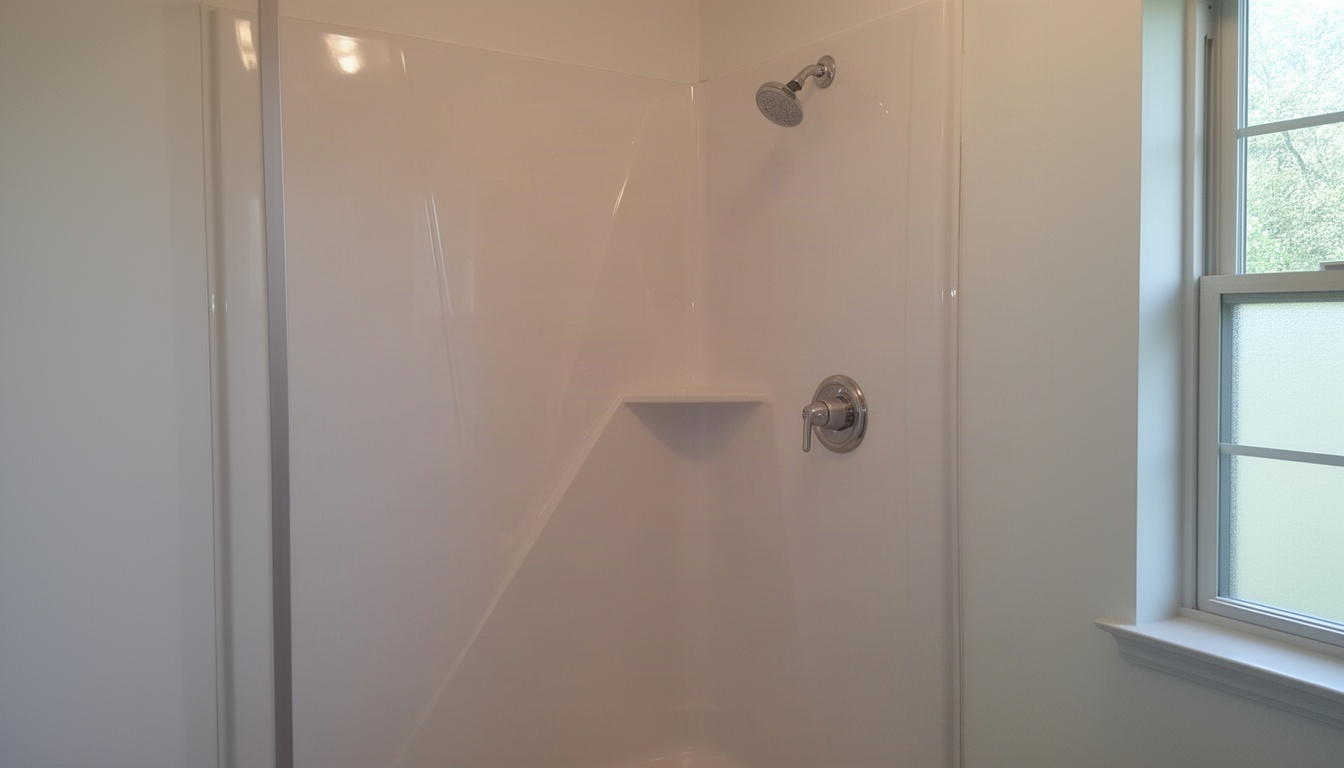
A tub-to-shower conversion removes your existing bathtub - typically a standard 60-inch alcove tub - and builds a walk-in shower in the same footprint. The scope ranges from a simple cosmetic swap (replacing the tub with a prefabricated acrylic surround and new fixtures) to a full structural remodel (relocating the drain, rebuilding the floor pan, and installing custom tile walls).
Here in Centralia, most homes built between the 1950s and 1980s sit on slab-on-grade foundations, which means any drain relocation requires concrete cutting and re-pouring - a detail that significantly affects both cost and timeline. The core work involves removing the old tub, preparing the subfloor, installing a new shower pan or base, waterproofing the walls, adding surround material (acrylic, tile, or solid panels), and connecting new plumbing fixtures.
The structural changes are straightforward if the drain stays in place. (Illinois.gov) (Ilga.gov) If you're moving the drain - a common request when repositioning the shower entry or expanding the footprint - check with the City of Centralia Building Department about permit requirements before proceeding. This is important in Illinois; the state plumbing code typically requires permits for drain work.
How Much Does a Tub-to-Shower Conversion Cost in Centralia?
Pricing for a tub-to-shower conversion in Centralia breaks down into three tiers based on materials and complexity:
| Project Scope | Cost Range | What's Included |
|---|---|---|
| Basic (Acrylic/Liner) | $1,800–$3,500 | Prefab surround kit, standard fixtures, demo, basic plumbing |
| Mid-Range (Tile Surround) | $3,500–$7,000 | Tile walls, custom shower pan, upgraded fixtures, full waterproofing |
| Custom (Full Tile + Glass) | $7,000–$12,000+ | Floor-to-ceiling tile, frameless glass enclosure, heated floors, premium finishes |
Itemized Breakdown:
- Demolition & tub removal: $250–$500
- Plumbing rough-in (no drain move): $400–$800
- Drain relocation (slab-on-grade): $400–$900
- Shower pan / base installation: $300–$600
- Waterproofing membrane: $200–$400
- Wall surround or tile (materials): $400–$2,500
- Fixtures (showerhead, valve, trim): $200–$600
- Labor (all trades combined): $600–$4,000+
Southern Illinois labor rates are competitive compared to larger metro areas, which keeps Centralia conversions affordable. Licensed plumbers in our area typically charge $65–$95 per hour, and tile setters average $45–$65 per hour - reflecting the skill required for proper waterproofing and finish work.
Key Takeaway: A mid-range tile shower conversion in Centralia averages $4,500–$5,500 all-in, making it one of the most cost-effective bathroom upgrades for homeowners in our community.
Do You Need a Permit for This Work in Centralia, IL?
Yes. Building permits are required for plumbing fixture alterations and drain line work. Check with the City of Centralia Building Department before starting work.
Before you start any conversion work, contact the city offices to request a residential plumbing permit application. They will specify whether your project requires a full bathroom remodel permit or a simpler plumbing-only permit, depending on the scope.
When a permit is almost always required:
- Drain relocation or repositioning
- New plumbing supply lines
- Fixture installation (showerhead, valve, drain)
- Any work touching the main drain stack
When a permit may not be required:
- Cosmetic liner or surround replacement that does not touch plumbing
- Like-for-like fixture swaps (replacing an old showerhead with a new one in the same location)
Unpermitted plumbing work creates serious problems at home sale. Illinois disclosure law requires sellers to reveal known unpermitted work, and home inspectors routinely flag it. Buyers may demand remediation or walk away entirely. Insurance claims for water damage in unpermitted bathrooms are often denied. The cost of obtaining a permit upfront ($50–$150 in Centralia) is trivial compared to these risks.
Step-by-Step: How the Conversion Process Works
A typical tub-to-shower conversion follows this sequence:
1. Planning & Measuring Measure the existing tub alcove (width, depth, height). Verify the drain location and whether you want to keep it in place or relocate it. Sketch the new shower layout and select your surround material (acrylic, tile, or panels). This stage takes 1–2 days and is where most mistakes happen - get it right before demolition begins.
2. Demolition & Tub Removal Remove the old tub, faucet, and trim. Cut away any tile or surround material. Dispose of the tub (often heavy; plan for junk removal or recycling). This is a DIY-friendly stage if you're comfortable with demo work, though a contractor can handle it in a few hours. Expect dust and noise.
3. Drain Rough-In (Licensed Plumber Required) If you're keeping the existing drain, the plumber inspects and clears it. If relocating, they cut the concrete (on slab homes), reroute the drain line, and re-pour the slab. This is the most technical and expensive step. Do not attempt this yourself - proper plumbing work requires expertise, and mistakes cause flooding and structural damage.
4. Subfloor Prep & Shower Pan Installation The subfloor is leveled and inspected for rot or damage. A new shower pan (acrylic, fiberglass, or tile base) is installed and secured. The pan must slope toward the drain to prevent pooling. This step is critical and often DIY-unfriendly; hire a pro if you're unsure. See our tub/shower conversions in Centralia page for local help.
5. Waterproofing (Critical Step) A waterproofing membrane (KERDI, RedGard, or liquid-applied) is applied to all walls that will contact water. This is the single most important step in a tiled shower. Waterproofing failures cause subfloor rot and mold within 2–5 years. Do not skip or cheap out on this stage.
6. Wall Surround or Tile Installation Acrylic surrounds are bolted to the walls and sealed with silicone. Tile is set in thinset mortar over the waterproofing membrane, then grouted. Glass enclosures are framed and sealed. This stage takes 2–4 days depending on material and complexity.
7. Fixtures & Final Inspection The showerhead, valve, and trim are installed. Caulking and grout are sealed. A final plumbing inspection is performed (required by code). The shower is tested for leaks and proper drainage.
Contractor vs. DIY: Demolition, surround installation, and fixture hookup are DIY-feasible for experienced homeowners. Drain relocation, waterproofing, and tile work should be left to professionals in Centralia - the cost savings rarely justify the risk of costly mistakes.
Should You DIY or Hire a Contractor in Centralia?
The decision hinges on skill level, time, and the project scope. Here's a transparent comparison:
DIY Route:
- Materials cost: $900–$2,500 (acrylic surround kit, fixtures, demo supplies)
- Time investment: 20–40 hours over 1–2 weeks
- Realistic outcome: A functional acrylic surround shower with standard fixtures
- Risk: Waterproofing errors, improper slope, plumbing mistakes, code violations
Contractor Route:
- Total cost: $1,800–$12,000 (materials + labor + permits)
- Timeline: 3–7 days, start to finish
- Realistic outcome: Professional-grade installation with warranty coverage
- Risk: Minimal if you hire a licensed, insured contractor
Transparent Cost Example: A DIY acrylic surround kit runs about $350 in materials. You supply 20 hours of labor (your time). A contractor quotes $2,200 for the same surround, fixtures, and demo. The contractor's price includes a warranty, code compliance, and the cost of their overhead and insurance. If something goes wrong with your DIY install, you're paying to fix it; with a contractor, they are.
When to hire a professional in Centralia:
- Drain relocation: Proper plumbing work requires expertise and permits. Non-negotiable.
- Slab-on-grade homes: Concrete cutting and re-pouring demand specialized equipment and expertise.
- Tile work: Proper waterproofing and slope are technical skills that take years to master.
- First-time remodelers: The learning curve is steep; mistakes are expensive.
When DIY is reasonable:
- Replacing an acrylic surround in an existing alcove (no plumbing changes)
- Demolition and prep work (with a contractor handling the technical stages)
- You have prior tile or plumbing experience
Most homeowners in Centralia benefit from hiring a contractor for the plumbing and waterproofing, then handling demo and painting themselves to save money.
How to Choose the Right Shower Style for Your Centralia Bathroom
Three main surround options dominate the market, each with distinct trade-offs:
| Material | Cost | Durability | Maintenance | Install Difficulty |
|---|---|---|---|---|
| Acrylic/Fiberglass | $200–$600 | 10–15 years | Low (wipe clean) | Easy (DIY-friendly) |
| Tile (Ceramic/Porcelain) | $400–$2,500 | 20+ years | Moderate (grout sealing) | Hard (waterproofing critical) |
| Solid Surface Panels | $800–$1,500 | 15–20 years | Low (seamless) | Moderate (professional install) |
Acrylic/Fiberglass Surrounds are the budget option. They're lightweight, quick to install, and require minimal maintenance. The downside: they can crack or discolor over time, and they feel less substantial than tile. Most Centralia homeowners choose acrylic for guest bathrooms or rental properties.
Tile Showers offer durability and aesthetic appeal. Porcelain tile resists moisture and staining better than ceramic. The catch: grout requires periodic sealing, and improper waterproofing leads to hidden mold. Tile is the premium choice and justifies the cost if you plan to stay in your home long-term.
Solid Surface Panels (like Corian or similar) split the difference. They're seamless, durable, and easier to maintain than tile. They cost more than acrylic but less than custom tile. They're a smart middle ground for Centralia homeowners who want quality without the maintenance burden of grout.
Standard Centralia Bathroom Dimensions: Most homes here have 5×7 ft bathrooms (35 sq ft). A standard 60-inch alcove shower fits this footprint perfectly without structural changes. If your bathroom is smaller or you want a larger walk-in, you may need to relocate walls - a significant cost increase.
Walk-In Shower vs. Walk-In Tub (Common Confusion): A walk-in shower is an open-entry enclosure with no basin - you step in and shower. A walk-in tub retains a water basin and a sealed door for soaking, designed primarily for accessibility or therapeutic bathing. They serve different purposes. If accessibility is your goal, a walk-in shower with a low threshold and grab bars is typically more practical than a walk-in tub, which requires more space and plumbing complexity.
Finding a Qualified Contractor in Centralia
When you're ready to move forward, choosing the right contractor matters as much as the design itself. Here in Centralia and throughout Southern Illinois, Miller Builds has built a reputation for handling bathroom remodeling projects with attention to detail and transparent pricing. They specialize in tub-to-shower conversions and understand the local conditions - slab-on-grade homes, permit requirements, and the specific challenges of our region's housing stock.
A qualified contractor should be licensed by the Illinois Department of Financial and Professional Regulation (IDFPR) for plumbing work, carry liability insurance, and be willing to pull permits on your behalf. Ask for references from recent Centralia projects, and verify that they're familiar with the City of Centralia Building Department's specific requirements. See all of our tub/shower conversions services.
Miller Builds offers free consultations to discuss your project scope, timeline, and budget. They handle all permitting and coordinate with local inspectors, removing the administrative burden from you. Whether you're converting a single bathroom or planning a larger renovation, getting a detailed estimate upfront - with itemized labor, materials, and a timeline - protects you from surprises.
Frequently Asked Questions
How much does a tub-to-shower conversion cost in Centralia, IL?
Direct Answer: A basic acrylic surround conversion costs $1,800–$3,500; a mid-range tile shower runs $3,500–$7,000; and a custom tile-and-glass project can reach $7,000–$12,000 or more.
The final price depends on whether you're relocating the drain (adds $400–$900 on slab homes), the surround material you choose, and labor complexity. Southern Illinois rates are competitive compared to larger metro areas, which keeps Centralia projects affordable. Request itemized quotes from at least two contractors to compare pricing and scope.
Do I need a building permit to remove a bathtub in Centralia?
Direct Answer: Yes. Building permits are required for plumbing fixture alterations and drain line work. Check with the City of Centralia Building Department before starting.
Unpermitted plumbing creates disclosure issues at home sale and can result in insurance claim denials. The permit fee is typically $50–$150 - a small investment compared to the legal and financial risks of skipping it.
How long does a bathtub to walk-in shower conversion take?
Direct Answer: Most conversions take 3–7 days from demolition to final inspection, depending on whether the drain is relocated and what surround material you choose.
A simple acrylic surround swap (no plumbing changes) can be completed in 2–3 days. A custom tile shower with drain relocation may take 7–10 days. Your bathroom will be out of service during this time, so plan accordingly if it's your only shower.
Can I convert a tub to a walk-in shower without moving the drain?
Direct Answer: Yes. If the existing drain location works for your new shower entry, you can keep the drain in place and save $400–$900 in concrete cutting and re-routing costs.
This is the most cost-effective approach and is common in Centralia homes where the tub drain is centrally located. Discuss drain placement with your contractor during the planning stage to confirm whether relocation is necessary.
What is the difference between a walk-in shower and a walk-in tub conversion?
Direct Answer: A walk-in shower is an open-entry enclosure with no basin - you step in and shower normally. A walk-in tub retains a water basin and a sealed door for soaking, designed primarily for accessibility or therapeutic bathing.
Walk-in showers are more space-efficient and easier to clean. Walk-in tubs are better for elderly or mobility-limited users but require more plumbing work and take up more floor space. Most Centralia homeowners choose walk-in showers for their practicality and modern appeal.
Will removing my only bathtub hurt my home's resale value in Centralia?
Direct Answer: It can, particularly in entry-level homes where buyers expect at least one tub for families with young children.
Bathroom remodels can add value when done thoughtfully, but removing the only tub in a lower-priced home may deter some buyers. If resale value is a concern, consider keeping one tub and converting a second bathroom to a shower-only, or consult a local real estate agent about your specific market.
How do I find a licensed contractor for a tub-to-shower conversion in Centralia?
Direct Answer: Look for contractors licensed by the Illinois Department of Financial and Professional Regulation (IDFPR), insured, and willing to pull permits on your behalf.
Ask for references from recent Centralia projects and verify they're familiar with local building codes. Miller Builds offers free consultations and handles all permitting for bathroom conversions throughout Centralia and the surrounding area. Request detailed, itemized estimates from at least two contractors before deciding.
Ready to Convert Your Bathtub to a Walk-In Shower?
A tub-to-shower conversion is one of the most practical bathroom upgrades you can make - improving accessibility, modernizing your space, and often increasing home value when done right. The key is planning carefully, obtaining permits, and hiring qualified professionals for the technical work.
If you're ready to move forward, reach out to Miller Builds for a free consultation. They'll assess your bathroom, discuss your goals, and provide a transparent estimate with a clear timeline. Whether you're in Centralia, Salem, Mount Vernon, or elsewhere in Southern Illinois, they handle the entire process - permits, plumbing, waterproofing, and finish work - so you don't have to.
Call Miller Builds today or visit their website to schedule your free consultation and get started on your bathroom transformation.